
The Foreign God and the Return of Instinct
Death in VeniceThis flow traces the mythic language that gives Aschenbach’s surrender to irrational desire the shape of a struggle between restraint and ecstatic impulse.
increasing Bearing strength in each event
 decreasing
Bearing strength in each eventdecreasingThe Unfamiliar Call
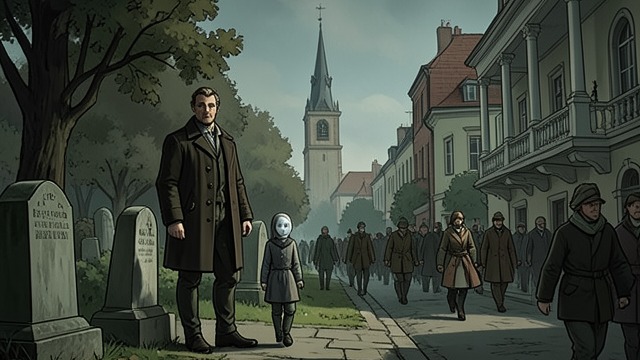
The Unfamiliar Call
A traveler’s appearance
A strange figure near the cemetery awakens Aschenbach’s appetite for the remote. The encounter loosens the grip of familiar routine and turns travel into an urgent possibility.
Instinct before explanation
Aschenbach experiences the desire before he can fully account for it. The moment introduces an irrational force that will repeatedly outrun his reason.
A Mythic Sea

A Mythic Sea
Nature transformed
Sunrise, sea, and weather take on mythic significance in Aschenbach’s imagination. The ordinary landscape becomes a stage for ancient divine forces and desire.
Perception altered
Myth gives emotional intensity a cosmic scale. It also signals that Aschenbach is interpreting his experience through fantasy rather than confronting it as ordinary human conduct.
The Rival and the Beautiful Youth
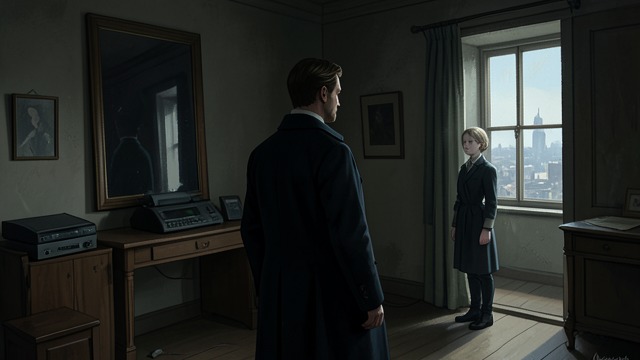
The Rival and the Beautiful Youth
A myth of desire
Aschenbach imagines an ancient story of a beautiful youth loved by rival gods. The myth makes Tadzio seem part of a timeless pattern of attraction and loss.
Feeling intensified
The invented parallel deepens the observer’s attachment. Myth does not explain the boy’s actual feelings; it magnifies Aschenbach’s own emotional drama.
The Foreign God in the Dream
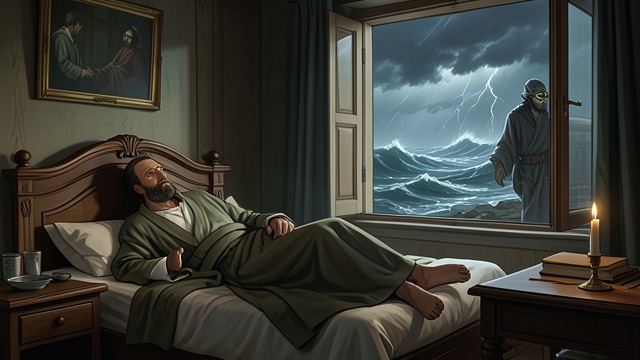
The Foreign God in the Dream
A dream of frenzy
Aschenbach dreams of a wild ritual led by a foreign god, filled with music, crowds, bodily excess, and the smell of disease. His resistance gives way as he joins the ecstatic gathering.
The self exposed
The dream presents the impulses his cultivated identity has tried to restrain. Its force suggests that the desire he welcomes in waking life carries a threat to his moral and intellectual order.
Surrender in the Waking World
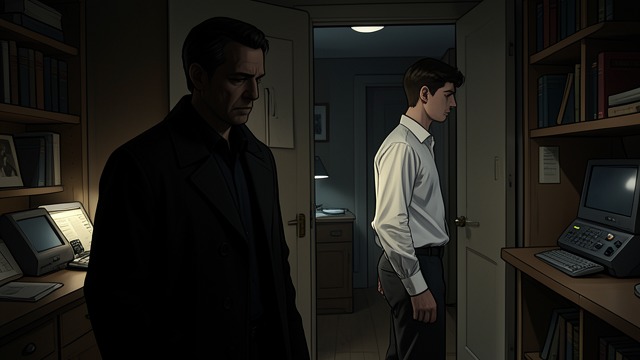
Surrender in the Waking World
Dream becomes conduct
After the dream, Aschenbach no longer resists the suspicions or shame surrounding his behavior. He follows Tadzio and accepts the disorder that lets him remain.
The ritual completed
His final pursuit echoes the dream’s surrender to instinct, though no literal rite occurs. The mythic language makes visible the inward collapse that culminates in his death.
The first spring afternoon in Munich
During Aschenbach’s early mornings on the beach
During an evening when Tadzio plays ball
The night after Aschenbach decides to remain
During the final days at the Lido
